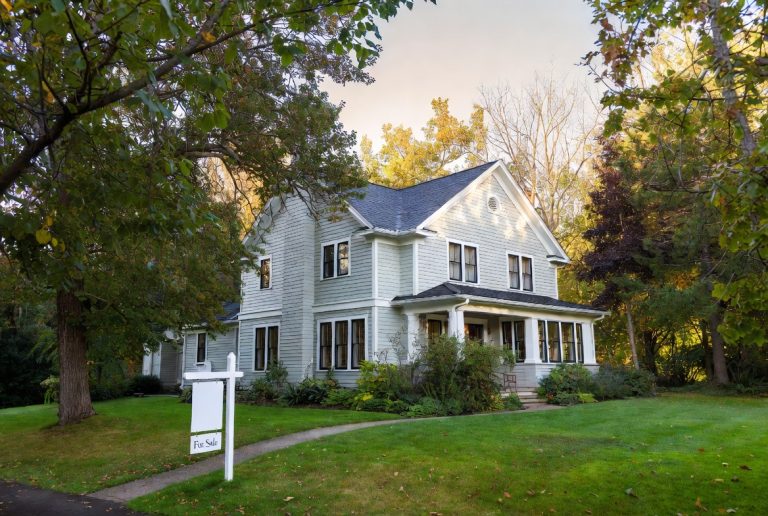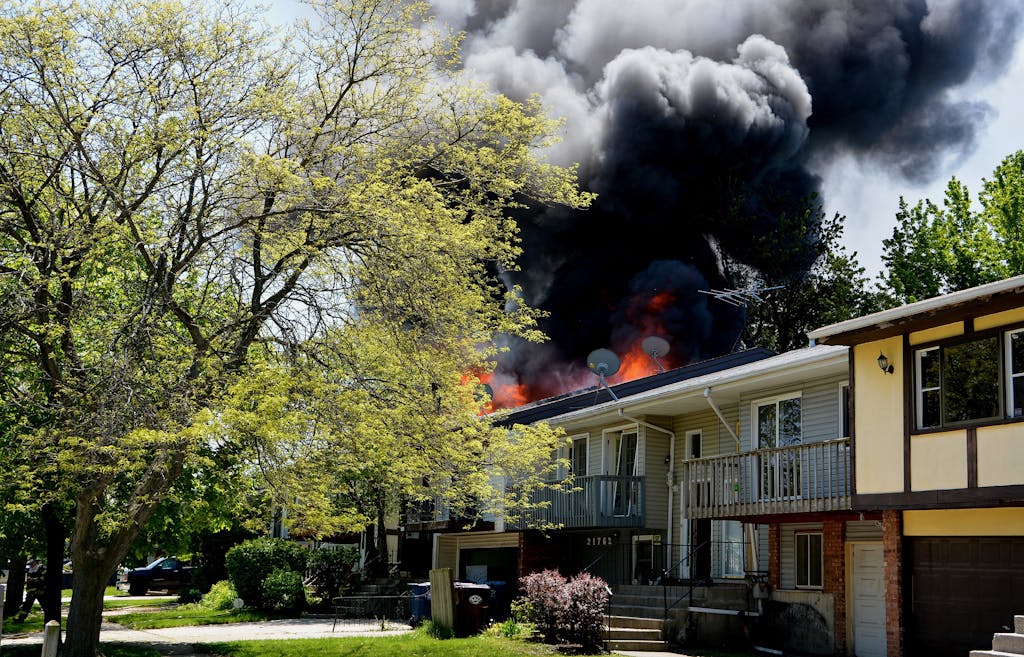
In light of recent devastating fires, such as the Palisades Fire in California that burned over 23,000 acres and claimed five lives, homeowners nationwide are increasingly concerned about fireproofing their residences. While regions like Stillwater, Woodbury, and St. Croix in Minnesota may not face the same wildfire threats as California, the importance of fire safety remains paramount. Implementing effective fireproofing measures can significantly enhance the safety and resilience of your home. Here are eight expert tips to guide homeowners in safeguarding their properties against fire hazards.
1. Install and Maintain Smoke Detectors
Smoke detectors are the first line of defense in alerting occupants to a fire. Ensure that smoke detectors are installed in key areas, including bedrooms, kitchens, and hallways. Regularly test these devices and replace batteries at least once a year. According to fire experts, maintaining functional smoke detectors is a crucial step in fire safety.
2. Utilize Fire-Resistant Building Materials
The materials used in your home’s construction can significantly influence its fire resistance. Consider the following:
- Roofing: Opt for Class A fire-rated roofing materials such as metal, concrete, or slate, which offer superior fire resistance.
- Siding: Materials like stucco, brick, or fiber cement siding are less susceptible to fire compared to traditional wood siding.
- Windows: Install double-pane or tempered glass windows to reduce the likelihood of breakage during a fire, thereby preventing flames from entering the home.
3. Create Defensible Space Around Your Property
Landscaping plays a vital role in fire prevention. Implement the following strategies to create defensible space:
- Immediate Zone (0-5 feet from the house): Use non-combustible materials like gravel or concrete for landscaping. Avoid placing flammable plants or mulch in this area.
- Intermediate Zone (5-30 feet from the house): Maintain a well-irrigated landscape with plants spaced to prevent fire from spreading. Regularly prune trees and shrubs to eliminate dead or overhanging branches.
- Extended Zone (30-100 feet from the house): Reduce vegetation density and remove dead plant material to decrease fuel for fires.
4. Install Fire-Resistant Doors and Windows
Entry points are vulnerable during fires. Strengthen them by:
- Doors: Installing solid-core or metal doors that provide better fire resistance than hollow-core options.
- Windows: Using fire-resistant shutters or screens to prevent embers from entering and igniting interior furnishings.
5. Maintain Clean Gutters and Roofs
Accumulated debris like leaves and pine needles can serve as fuel for fires. Regularly cleaning gutters and roofs minimizes this risk. Additionally, installing metal gutters can prevent them from melting during a fire, reducing the chance of debris igniting the home.
6. Use Fire-Resistant Landscaping
Incorporate fire-resistant plants and materials in your landscaping to reduce fire risk:
- Plants: Select species with high moisture content and low resin or sap levels, as they are less likely to ignite.
- Mulch: Use non-combustible options like gravel or stone instead of wood chips or pine needles.
7. Install Fire Suppression Systems
Equipping your home with fire suppression systems can significantly enhance safety:
- Sprinkler Systems: Installing residential fire sprinklers can control or extinguish fires before they spread.
- Fire Blankets: Keeping fire blankets in accessible locations, such as kitchens and garages, allows for quick response to small fires. These blankets are effective in smothering flames without the mess of extinguishers.
8. Develop and Practice an Emergency Plan
Preparation is key to ensuring safety during a fire emergency:
- Escape Routes: Identify multiple exit paths from each room and establish a designated meeting point outside.
- Communication Plan: Ensure all family members know how to contact emergency services and each other.
- Regular Drills: Conduct fire drills to familiarize everyone with the emergency procedures.
Implementing these expert-recommended strategies can significantly enhance your home’s resilience to fires, protecting both your property and loved ones. For residents in Stillwater, Woodbury, St. Croix, and surrounding Minnesota communities, adopting these measures is a proactive step toward ensuring safety and peace of mind.