Introduction
Stillwater, MN—a charming city along the St. Croix River—draws attention with its small-town feel, historic downtown, and proximity to the Twin Cities. If you’re considering relocating, it’s natural to wonder: Does the quality of life match the cost? In this guide, we break down everything you need to know about stillwater’s affordability, real estate market, and how to plan your move wisely.
How Affordable Is Stillwater?
Stillwater’s cost of living presents a mixed picture. According to ERI, overall expenses here run about 1% above the national average, with housing costs roughly on par with national norms — though slightly higher than Minnesota’s overall average of +5%. Meanwhile, Payscale reports Stillwater’s cost of living is 4% below the national average, with housing 12% lower, utilities 4% lower, and groceries 2% higher. BestPlaces, however, places Stillwater at 10.4% above the U.S. average, driven by housing, food, and childcare costs.
This variance stems from methodology differences. The key takeaway: Stillwater is somewhat above national averages, especially in housing, but not dramatically so—just a few percentage points either side depending on your source.
Real Estate Prices: What Buyers See
In mid-2025, home prices in Stillwater offer a wide range for prospective buyers:
- Median home sale price: ~$520,000 as of June 2025—a 13.7% jump from last year.
- Zillow reports the average home value at $445,430—up 2.0% year-over-year, with about 17 days to pending.
- Typical single-family home value: around $408,000–$445,000, according to Livability and Zillow data.
- Condos and 1-bed properties: priced significantly lower, typically in the $300,000–$400,000 range.
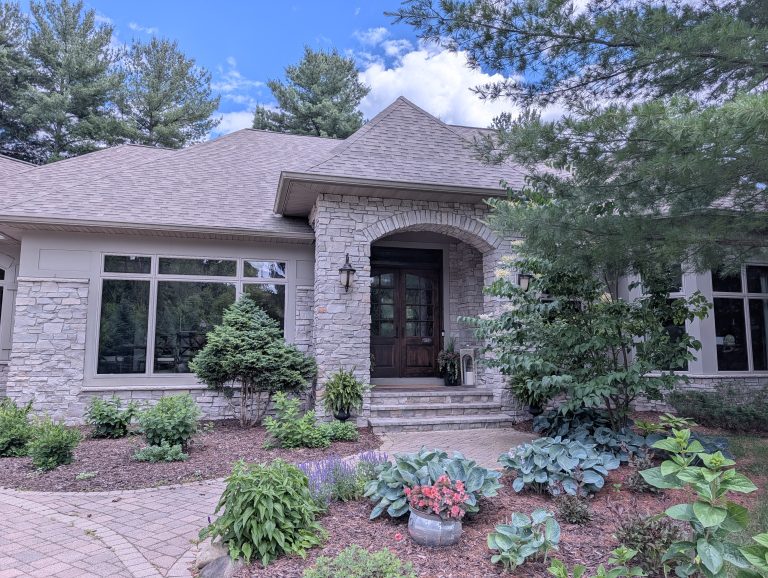
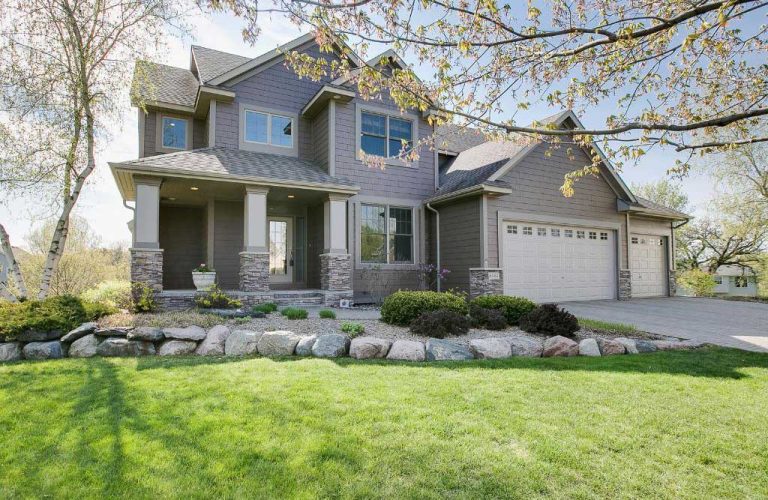
Even with slightly elevated housing costs, Stillwater remains more affordable than premium metro suburbs. The city offers solid value for families and professionals wanting both community charm and commuter access.
Renters vs. Buyers: A Quick Snapshot
Renters in Stillwater face typical monthly rates as of July 2025:
- Studio: $1,733
- One-bedroom: $1,422
- Two-bedroom: $1,625
- Three-bedroom: $1,831
Average rent, citywide: $1,492 per month for ~984 sq.ft.
Buying may be more cost-effective, depending on financing. A $445,000 mortgage at ~6.5% fixed could result in monthly payments similar to rent—but with equity and tax advantages.
What About Income Levels in Stillwater?
Most sources report median household income in the $92,000–$111,000 range:
- BestPlaces suggests a comfortable family income of ~$92,880.
- Livability pegs average household income at approx. $111,286.
That household income supports homeownership at current price points—especially for dual-income households—making many Stillwater homes reachable for middle-income earners.
Comparing Costs: Living Here vs. Other Cities
Looking regionally, BestPlaces finds Stillwater ~10% more expensive than the national average, and 13.6% costlier than the state average. In comparison, Duluth, MN is about 23% cheaper overall and 42% cheaper in housing. Stillwater earns its premium through proximity to Minneapolis, high-quality schools, and amenities—not lower costs.
Should You Move to Stillwater in 2025?
For Buyers:
- Home prices continue to rise; the market still favors sellers.
- Mortgage rates near 6.5% make homeownership more costly than in recent low-rate years.
- Stillwood offers value when compared to higher-cost metro suburbs.
For Renters:
- Rent falls in line with national averages—neither bargain nor premium.
- If you plan to stay 5+ years, buying may financially outpace renting due to accumulating equity.
Tips for a Smart Relocation
- Use cost-of-living tools (like Bankrate or Payscale) to estimate your expenses precisely.
- Align your search with your income bracket—most Stillwater buyers make $90K–$110K annually.
- Budget moving expenses: calculate cost-of-living differences and weigh moving distance.
- Talk to local agents & lenders early to evaluate tax, insurance, and financing impacts.
Frequently Asked Questions
- Is living in Stillwater more expensive than the U.S.?
Overall, Stillwater is about 1–10% more expensive than the U.S. average, depending on your data source. Housing costs are slightly above national norms. - Can I afford a typical home here on a ~100K income?
Yes—with mortgage rates around 6.5%, salaries in the $90K–$110K range are often enough to comfortably support homeownership. - Are rental prices in the city high?
Rent is average for U.S. cities—roughly $1,400–1,800 per month for 1–3 bedroom units—making renting a reasonable short-term option. - Is it cheaper to rent or buy in Stillwater?
Over 5–7 years, buying may be better financially—mortgage payments build equity, while rents accumulate without ownership. - How does Stillwater compare to Duluth or the Twin Cities?
Stillwater is more expensive than Duluth (housing costs ~42% higher) but less pricey than many affluent Minneapolis suburbs due to its mix of value and location.
Conclusion
Stillwater offers a high quality of life that comes with moderately higher costs. However, robust incomes and a competitive housing market make homeownership accessible to many. Whether renting or buying, understanding your finances—and having accurate local cost data—can help you make a successful transition.
Ready to Explore?
Moving to Stillwater is a big decision—and the David Reed Team is here to guide you. Call (651) 230‑0251 or click here to get detailed insights and begin your journey to this vibrant community.