By David Reed, The Dave Reed Real Estate Team at REMAX Results · Updated June 2026
If you are relocating to St. Paul, MN from out of state, you have probably already noticed something: this is one of the most under-the-radar quality-of-life cities in America. Top-ranked parks, a Mississippi riverfront, strong public schools, a real four-season culture, a food scene that punches well above its weight, and home prices that are significantly more affordable than the coastal markets most relocators are leaving. After decades of helping out-of-state buyers settle into the Twin Cities, our team has put together this honest, practical guide to what you actually need to know before you move.
Why People Move to St. Paul
People relocate to St. Paul for a handful of consistent reasons. Cost of living is the headline one – especially for buyers coming from California, the Northeast, Chicago, Denver, Austin, or Seattle. But when we ask our relocating clients what really sold them, the answers tend to cluster around a few themes:
- Real affordability. The citywide median sale price in St. Paul is roughly $270,000 to $300,000 – meaningfully below the broader Twin Cities median of around $380,000, and a fraction of what most coastal buyers are used to paying.
- Genuine neighborhoods. St. Paul has dozens of distinct, walkable, named neighborhoods with their own identity – not anonymous sprawl.
- World-class parks. St. Paul consistently ranks at or near the top of national parks-system rankings, with the Mississippi River, Como Park, and miles of regional trails inside city limits.
- Strong schools. Both St. Paul Public Schools and the surrounding suburban districts offer respected public, charter, magnet, and private options.
- Big city, small commute. 15-25 minutes to almost anywhere in the city. Most relocators are amazed by this after their last metro.
- Real seasons. Yes, winter is real. So is summer on the lakes, fall on the river bluffs, and patio season that genuinely feels earned.
What Homes Actually Cost in St. Paul
This is usually the first detail relocators want pinned down. As of 2026, the median sale price in St. Paul sits roughly between $270,000 and $300,000, with significant variation by neighborhood:
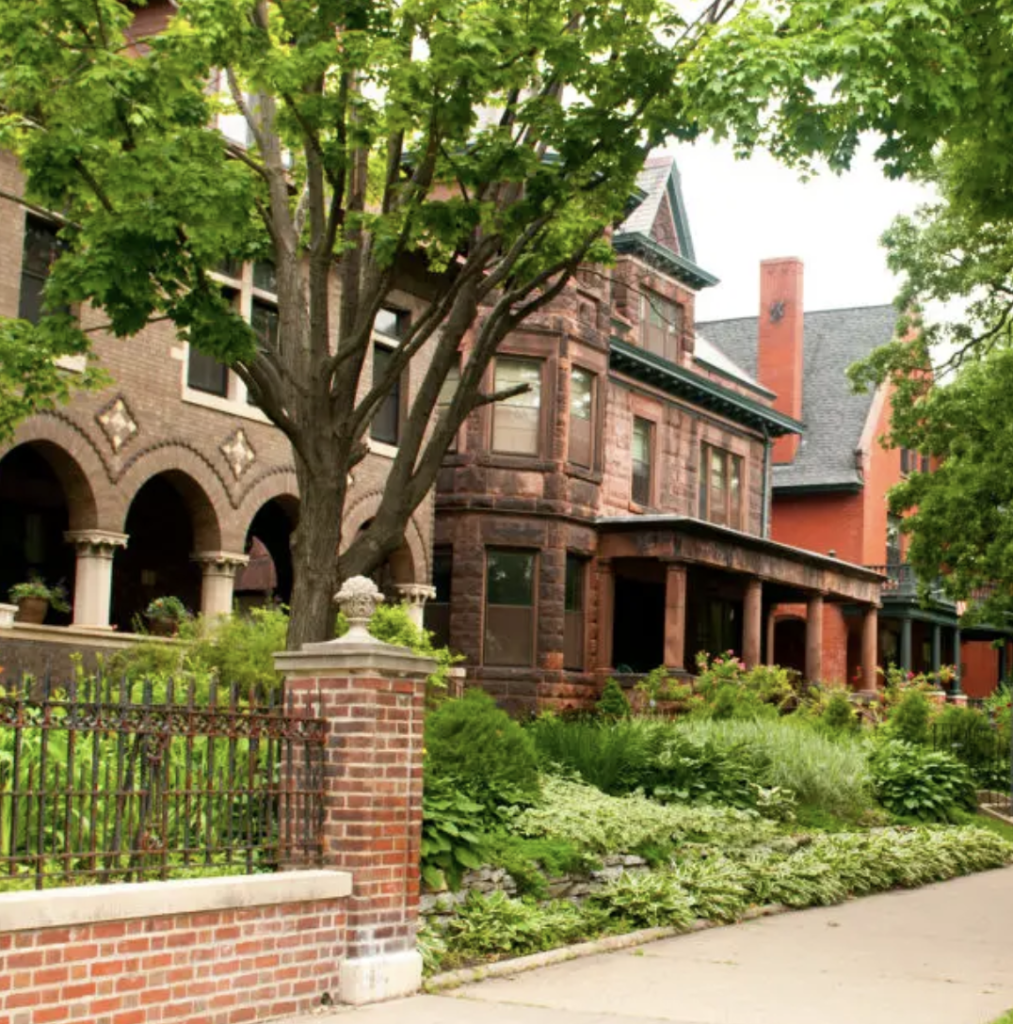
- Summit Hill / Crocus Hill: regularly above $700,000 – some of the most storied Victorian homes in the Midwest
- Macalester-Groveland: typically $500,000+, walkable college-town feel anchored by Grand Avenue
- Highland Park: $500,000-$700,000+ for desirable streets, including the new Highland Bridge development
- Cathedral Hill & downtown condos: wide range, $300,000s to well over $1 million depending on building
- Como Park, West Seventh, and outer neighborhoods: often $300,000-$450,000, strong value for families
- Emerging neighborhoods (Frogtown, North End, parts of the East Side): entry points well under $300,000 for buyers willing to invest sweat equity
For context, the broader Twin Cities metro median sits around $380,000 – which means St. Paul is a meaningfully more affordable entry point than most of the metro, without giving up access to jobs, culture, or quality of life. Reach out for a current market report on the neighborhood you are considering.
Best St. Paul Neighborhoods for Relocators
The hardest part of relocating is not finding a house – it is figuring out where to look. St. Paul has 17 planning districts and over 80 named neighborhoods, each with its own pricing, personality, and pace. Here is how we usually steer relocating clients depending on what they prioritize:
If You Want Walkable + Historic Charm: Summit Hill, Cathedral Hill, Macalester-Groveland
Grand Avenue restaurants, the Cathedral of Saint Paul, Victorian mansions on Summit, walkable mornings to coffee. These are some of the most beloved blocks in the Midwest – and priced accordingly.
If You Want Family-Friendly + Strong Schools: Highland Park, Mac-Groveland, Como Park
Quiet streets, parks within walking distance, top-rated school options, mature trees. Highland Park in particular consistently ranks at the top of family-friendly lists, with the bonus of the new Highland Bridge development bringing modern construction to one of the most established corners of the city.
If You Want Urban + Walkable to Restaurants & Coffee: Downtown, Lowertown, Cathedral Hill
Loft condos, historic conversions, skyway-connected high-rises. Walk to CHS Field, the Xcel Energy Center, Mears Park, and a packed downtown food scene. Ideal for empty nesters, professionals, or anyone trading a single-family home for low-maintenance city living.
If You Want the Best Value: Como, West Seventh, Hamline-Midway, Dayton’s Bluff
Established homes, strong neighborhood identity, lakes and parks nearby, and entry prices that still let many relocators buy outright with the equity from their last home. Some of the most rewarding pockets of St. Paul for a value-focused buyer.
If You Want Suburb-Adjacent (Inside the City Limits): Como Park, St. Anthony Park
For relocators who want the feel of a suburb – quiet streets, garage parking, more space – without the suburban commute, these northwest-corner neighborhoods are often the answer.
If You Want the Suburbs: Look East
If your relocation criteria really point toward suburban living, the east metro suburbs offer some of the strongest options in Minnesota. Our team also serves Woodbury, Stillwater, Lake Elmo, White Bear Lake, and Bayport – each with its own strengths.
About That Winter (Honest Answer)
If you are coming from a warmer climate, this is the question lurking behind every other question. Here is the honest version:
Yes, winters are real. Average daily highs in January sit in the low 20s; lows can drop into the negatives during cold snaps. Winter typically runs late November through March, with the coldest stretch in January and February.
And yet: St. Paul is built for it. Heated garages are standard, plows are out before the snow stops, the downtown skyway is one of the largest in the country, and the city has a deeply embedded outdoor culture – pond hockey, ice fishing, cross-country skiing, the legendary Saint Paul Winter Carnival, and patios with heaters and fire pits the moment temperatures break above freezing. Most relocators tell us they were nervous about winter for the first six months and never thought about it again after that.
One practical note: when buying a home, ask about heating system age, attic insulation, window quality, and ice-dam history. These matter more here than in warmer markets. A relocator-experienced real estate agent in St. Paul, MN will walk you through every one of these during showings.
Schools: What to Know
St. Paul has more school options than most relocators expect:
- Saint Paul Public Schools (SPPS) – the city’s main district, with extensive magnet, immersion (Spanish, Hmong, Mandarin), and IB options
- Charter schools – dozens across the city with strong academic, arts, and language specializations
- Private and parochial schools – including some of the most respected in the Twin Cities
- Open enrollment to adjacent suburban districts like Roseville, South Washington County, Stillwater, and Mahtomedi
Importantly, school boundary lines in St. Paul do not always work the way they do in other metros. We help our relocating clients map schools to neighborhoods early in the search – because where you buy can absolutely shape what school options open up.
Commute and Jobs
The Twin Cities metro is home to 16 Fortune 500 headquarters – more per capita than almost any major metro in the country – including 3M, Target, UnitedHealth, U.S. Bank, Best Buy, General Mills, Ameriprise, and Ecolab. Most St. Paul addresses are within a 15-30 minute commute to downtown St. Paul, downtown Minneapolis, the airport, and major suburban employment centers.
If you are relocating for a specific employer, tell your agent. Where you buy should orient around your commute – not just your wish list of neighborhoods. We help relocators map both.
How to Buy a St. Paul Home Without Flying In for Every Showing
Out-of-state buyers do not always have the time or budget to fly in repeatedly. The good news: this market has adapted, and remote-friendly relocation buying is now routine. Here is how it works with our team:
- Relocation consultation. A 30-60 minute video call to understand your timeline, budget, work situation, family needs, and neighborhood priorities.
- Lender pre-approval. We connect you with trusted local Minnesota lenders who handle relocation buyers daily.
- Neighborhood briefing. A custom orientation to St. Paul neighborhoods, school options, and commute math based on your specific situation.
- Curated MLS search. We filter aggressively up front so you are only looking at homes that actually fit, including off-market and coming-soon opportunities through our REMAX Results network.
- Live FaceTime / video tours. We walk through homes for you – room by room, basement to attic – with honest commentary, not a sales pitch.
- Offer strategy. When the right home appears, we move fast and write to win without overpaying.
- Inspections, appraisal, closing. Managed end-to-end. Many relocating clients close on St. Paul homes without ever stepping inside until they get the keys.
It is not the right approach for every buyer, but for the ones it fits, it works extremely well – and our 50+ five-star Zillow reviews include many out-of-state clients who bought this way.
Common Relocator Mistakes (And How to Avoid Them)
- Locking in a neighborhood before visiting. Online research is great. It is not a substitute for a 48-hour neighborhood tour with someone who lives here.
- Underestimating winter-related home features. Heating system, insulation, garage attachment, driveway slope, window quality – these matter more here than where you are coming from.
- Skipping the basement. Most St. Paul homes have basements. Many have finished living space, laundry, and mechanicals down there. Inspect carefully.
- Assuming property taxes work the same as your home state. Minnesota has its own property tax structure. Get clear numbers before you fall in love with a home.
- Going it alone with a relocation package agent. Many corporate relocation programs assign agents by lottery or rotation. You can almost always choose your own agent and still use the relocation benefits. Talk to us first.
Ready to Make Your Move?
Relocating is a big decision. Doing it well means having someone in your corner who knows the city block by block, who will give you the honest read on every neighborhood, and who can manage the parts you cannot fly in for. We have helped families relocate to St. Paul from across the country – and we would love to help you, too.
Start with our St. Paul Real Estate Agents page, or skip ahead and make an appointment. Call (651) 230-0251 – no pressure, no commitment.
Frequently Asked Questions
Is St. Paul a good place to relocate to?
St. Paul consistently ranks among the most livable mid-sized cities in the country, with strong schools, lower cost of living than most coastal metros, world-class parks, a thriving arts and food scene, and four genuine seasons. It is one of the most rewarding cities in the Midwest to relocate to.
How much does it cost to buy a home in St. Paul?
As of 2026, the citywide median sale price in St. Paul is roughly $270,000-$300,000. Premium neighborhoods like Summit Hill, Macalester-Groveland, and Highland Park regularly trade above $500,000, while emerging neighborhoods offer entry points under $300,000.
Can I buy a home in St. Paul without visiting first?
Yes. Many out-of-state buyers purchase in St. Paul without traveling in for every showing. We conduct FaceTime and video tours, provide honest property assessments, and manage inspections and closings remotely for relocating clients.
What is winter like in St. Paul, Minnesota?
St. Paul winters are real winters – typically late November through March, with average lows in the teens and occasional cold snaps below zero. But the city is built for it: heated parking, skyways, plowed roads, and a deep outdoor culture mean residents embrace the season rather than hide from it.
Does Minnesota have a state income tax?
Yes, Minnesota has a state income tax with progressive brackets. Many relocators from no-tax states factor this into their overall cost-of-living comparison. The savings on housing typically offset much of the difference, but every situation is unique – speak with a tax advisor about your specific circumstances.
How do I get started?
Schedule a free relocation consultation or call (651) 230-0251. No pressure, no commitment.
David Reed leads The Dave Reed Real Estate Team at REMAX Results, serving St. Paul, Stillwater, Bayport, Woodbury, Lake Elmo, White Bear Lake, and the greater east Twin Cities metro. Licensed in Minnesota and Wisconsin.