By David Reed, The Dave Reed Real Estate Team at REMAX Results · Updated June 2026

The single biggest variable in your final sale price is not your photos, not your staging, not even your agent. It is your list price. Get it right and your home commands attention in the first 14 days – often with multiple offers. Get it wrong and you spend months chasing the market downward, eventually netting less than a sharp original price would have produced. And St. Paul is one of the trickiest pricing markets in the Midwest, because it is not one market – it is dozens of hyper-local micro-markets that move on different clocks. Here is how to price a St. Paul home correctly in 2026, neighborhood by neighborhood.
Why St. Paul Pricing Is Different
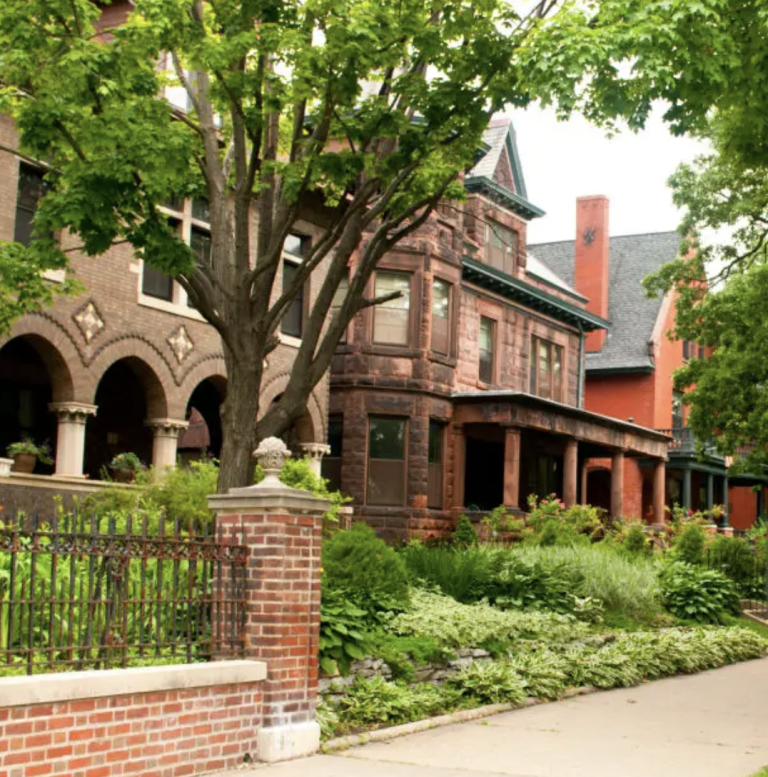
St. Paul has 17 planning districts and over 80 named neighborhoods, with median sale prices that range from under $200,000 in some pockets to well above $700,000 in others. A pricing strategy that works in Highland Park is the wrong strategy in Frogtown. Comps from West Seventh do not tell you what your Cathedral Hill condo is worth. This block-level variability is what makes generic pricing tools (Zestimate, Redfin Estimate, county assessor values) so unreliable here.
The Four Pricing Principles That Win in St. Paul
- Use hyper-local comps. Same neighborhood, same home type, same school boundary, same condition tier. Recent (last 90 days) closed sales matter more than active listings.
- Price for the first two weeks. Your strongest buyer activity is days 1-14. Pricing should drive showings now, not test the ceiling.
- Account for school boundary effects. Two homes a block apart can carry very different prices if they feed different schools. This matters more in St. Paul than most cities.
- Do not anchor on what you paid. Comps are the only number that matters.
St. Paul Neighborhood Pricing Snapshot (2026)
Approximate median sale prices, as of 2026 – to give you orientation, not a specific number for your home:
- Summit Hill / Crocus Hill: $700,000+, often well above $1M
- Macalester-Groveland: $500,000+
- Highland Park: $500,000-$700,000+
- Cathedral Hill / Summit-University: Wide range, from $300,000s to over $1M depending on building
- St. Anthony Park: $450,000-$700,000
- Como Park: $350,000-$500,000
- West Seventh / Fort Road: $325,000-$475,000
- Hamline-Midway: $300,000-$450,000
- Downtown / Lowertown condos: Wide range by building and floor
- Frogtown, North End, parts of East Side: Often under $300,000
Citywide median sits at roughly $270,000-$300,000 – but as you can see, neighborhood medians vary dramatically. Your specific block matters even more than your neighborhood.
Pricing Strategy by Neighborhood Type
Premium Neighborhoods (Summit Hill, Mac-Groveland, Highland Park)
Buyers here are sophisticated and frequently working with experienced buyer agents. They know the comps. They will not overpay – but they will move fast on sharp value. Strategy:
- Price just below the next pricing tier to capture maximum search visibility
- Invest in premium photography, staging, and pre-listing prep – it pays back at this level
- Expect 1-3 offers within the first week if priced correctly
Established Family Neighborhoods (Como, St. Anthony Park, Hamline-Midway)
Strong, steady markets. Buyers are often family-budget-conscious. Strategy:
- Price competitively against recent neighborhood comps – not against active listings that may be overpriced
- Photography, staging, and curb appeal matter a lot at this level
- Plan for 30-45 days on market with normal pricing
Emerging or Value Neighborhoods (Frogtown, North End, East Side)
Pricing here requires careful read of recent trajectory. Some blocks have appreciated quickly; others have not. Strategy:
- Use block-level comps, not neighborhood-level averages
- Investor demand can compete with owner-occupant demand, which affects both pricing and contract terms
- Cash offers and shorter inspection periods are common
Condos and Downtown Properties
Condo pricing follows building-specific dynamics, not neighborhood ones. The same exact unit type can be priced very differently across buildings. Strategy:
- Use building-specific comps only – other buildings tell you almost nothing
- HOA fees, dues stability, and reserve studies materially affect what buyers will pay
- Days on market vary widely – some buildings move in 30 days, others in 90+
The Most Common Pricing Mistakes
- Listing high to “leave room to negotiate.” The first two weeks are your peak activity window. Overpricing kills it.
- Anchoring on Zestimate. Zestimates are computer averages. They are not calibrated to your specific block, condition, or school boundary.
- Pricing based on what you paid plus appreciation. Markets do not move in straight lines. Comps tell the truth.
- Ignoring active listings. Your competition is not just past sales – it is also the other homes a buyer will see this weekend.
- Pricing emotionally. Your home is yours. Its price is the market’s.
Get a Real St. Paul Comparative Market Analysis
The first step to pricing right is a real CMA – calibrated to your specific block, home type, school boundary, and condition tier. Not a Zestimate. Not a county assessor value. A genuine analysis of what buyers will actually pay for your home, this month.
Get your free St. Paul home valuation, visit our St. Paul Real Estate Agents page, or make an appointment. Call (651) 230-0251 – no pressure, no commitment.
Frequently Asked Questions
How do I price my St. Paul home?
Pricing a St. Paul home requires hyper-local comps – same neighborhood, same home type, same school boundary. The citywide median is roughly $270,000-$300,000, but neighborhood-level medians range from under $200,000 to well over $700,000. The right strategy depends on your specific block.
Should I list high to leave room to negotiate?
Usually no. The strongest activity window is the first two weeks. Overpriced listings get skipped, then chase the market down. Sharp original pricing typically nets a higher final sale price.
Is the Zestimate accurate for St. Paul homes?
Generally no. Zestimates use citywide and metro-level averages that don’t capture St. Paul’s block-by-block variability. They are useful as a starting orientation but should never be your list price.
When should I reduce my list price?
If you have had strong showing activity but no offers by day 21, the price is likely too high. If you have had minimal showings, price is almost certainly the problem. A good agent will help you read the data and adjust strategically rather than reactively.
David Reed leads The Dave Reed Real Estate Team at REMAX Results, serving St. Paul, Stillwater, Bayport, Woodbury, Lake Elmo, White Bear Lake, and the greater east Twin Cities metro. Licensed in Minnesota and Wisconsin.